
Drip Tape Irrigation [Explained]
Drip tape irrigation applies low-flow water along planted rows. Learn how soil spreads the water, how to plan zones, and how to verify even root-zone wetting.
 Adam Collins
Drip tape irrigation applies low-flow water along planted rows. Learn how soil spreads the water, how to plan zones, and how to verify even root-zone wetting.
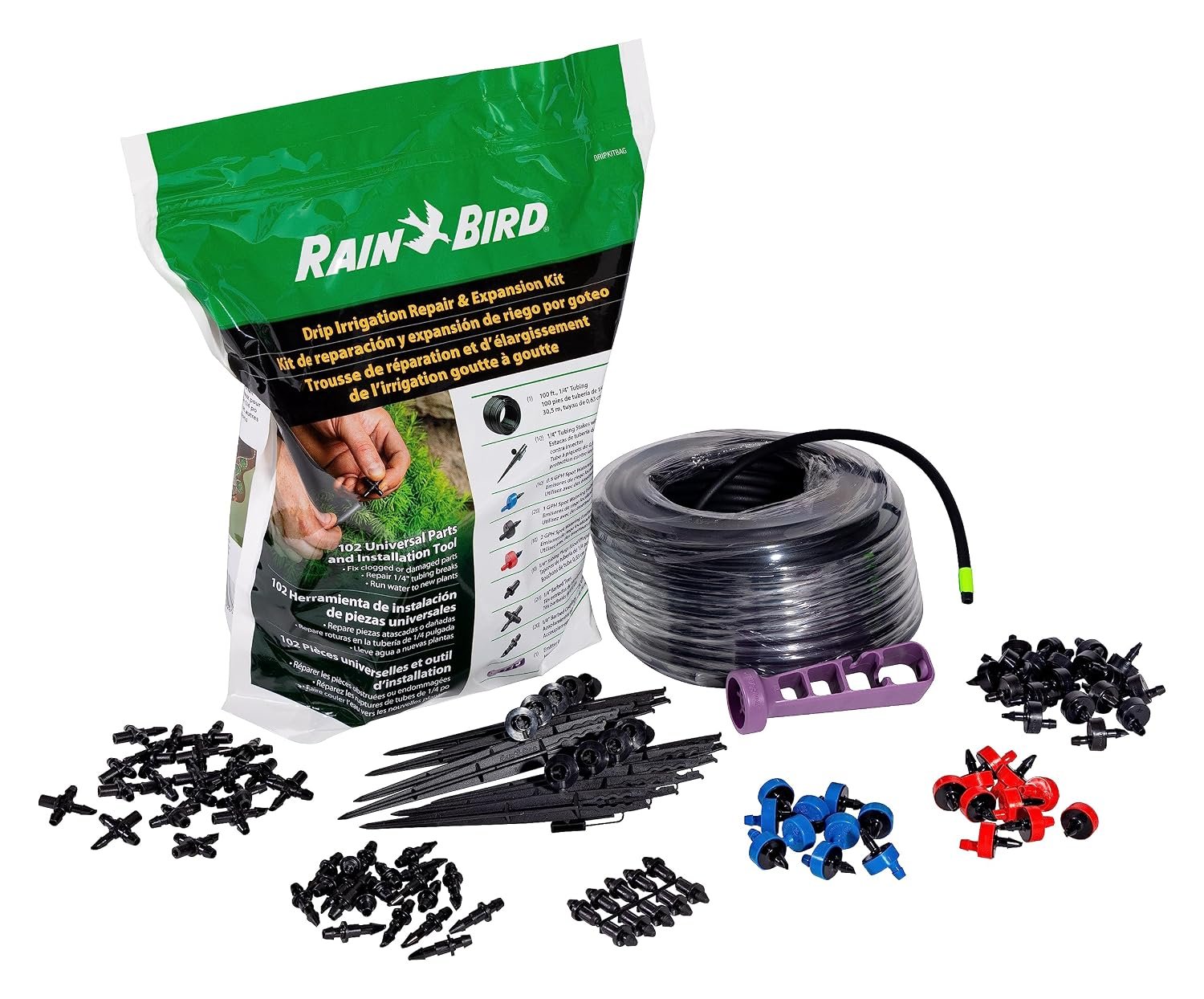
A drip irrigation kit can solve daily watering chores, but the right setup depends on whether you are feeding a few patio pots, branching across raised beds, or covering a wider garden area. Tubing layout, emitter style, and the water
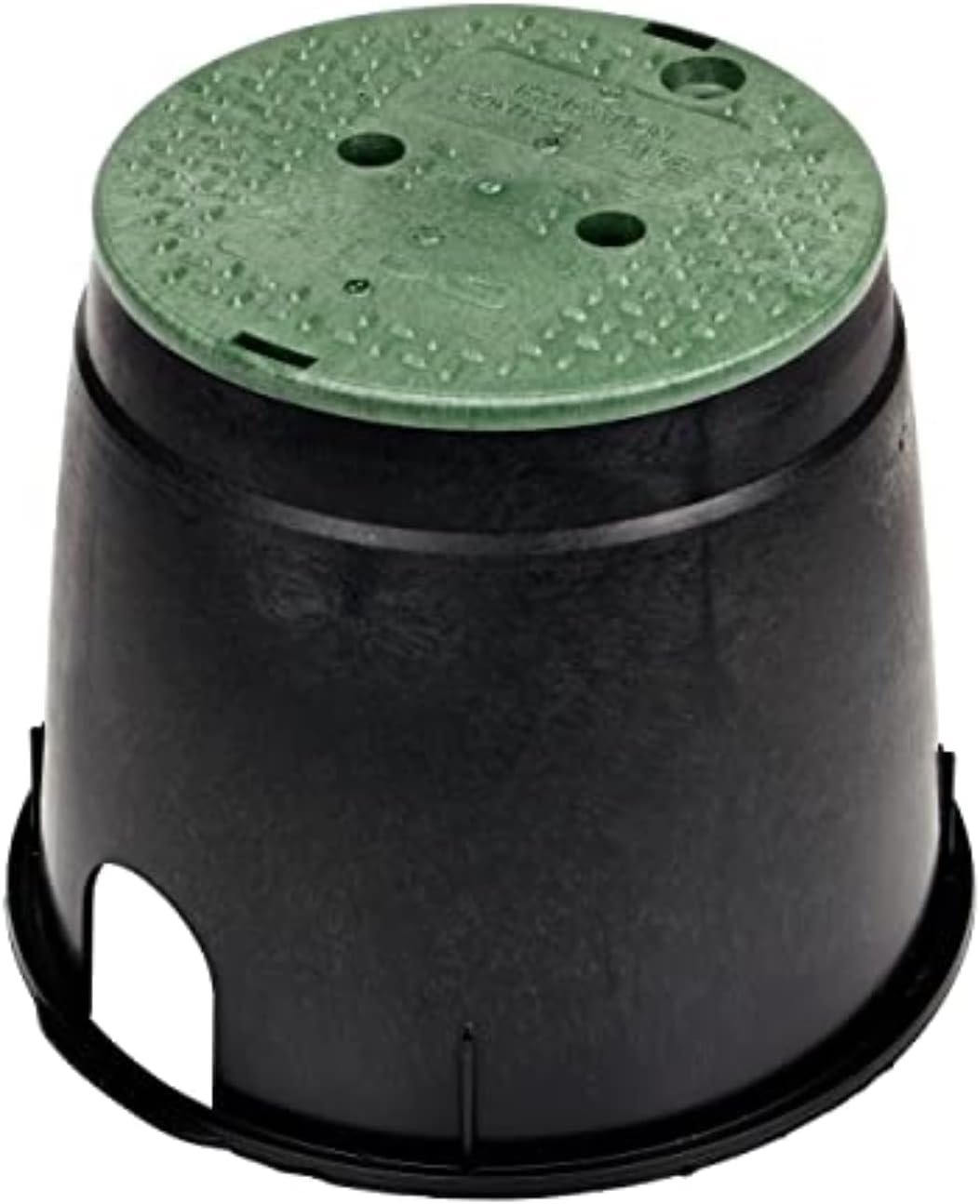
An irrigation valve box has to fit the buried valve assembly first, then leave enough room to reach fittings and service the system. The key differences here are shape, interior opening size, height, cover design, and whether the box is
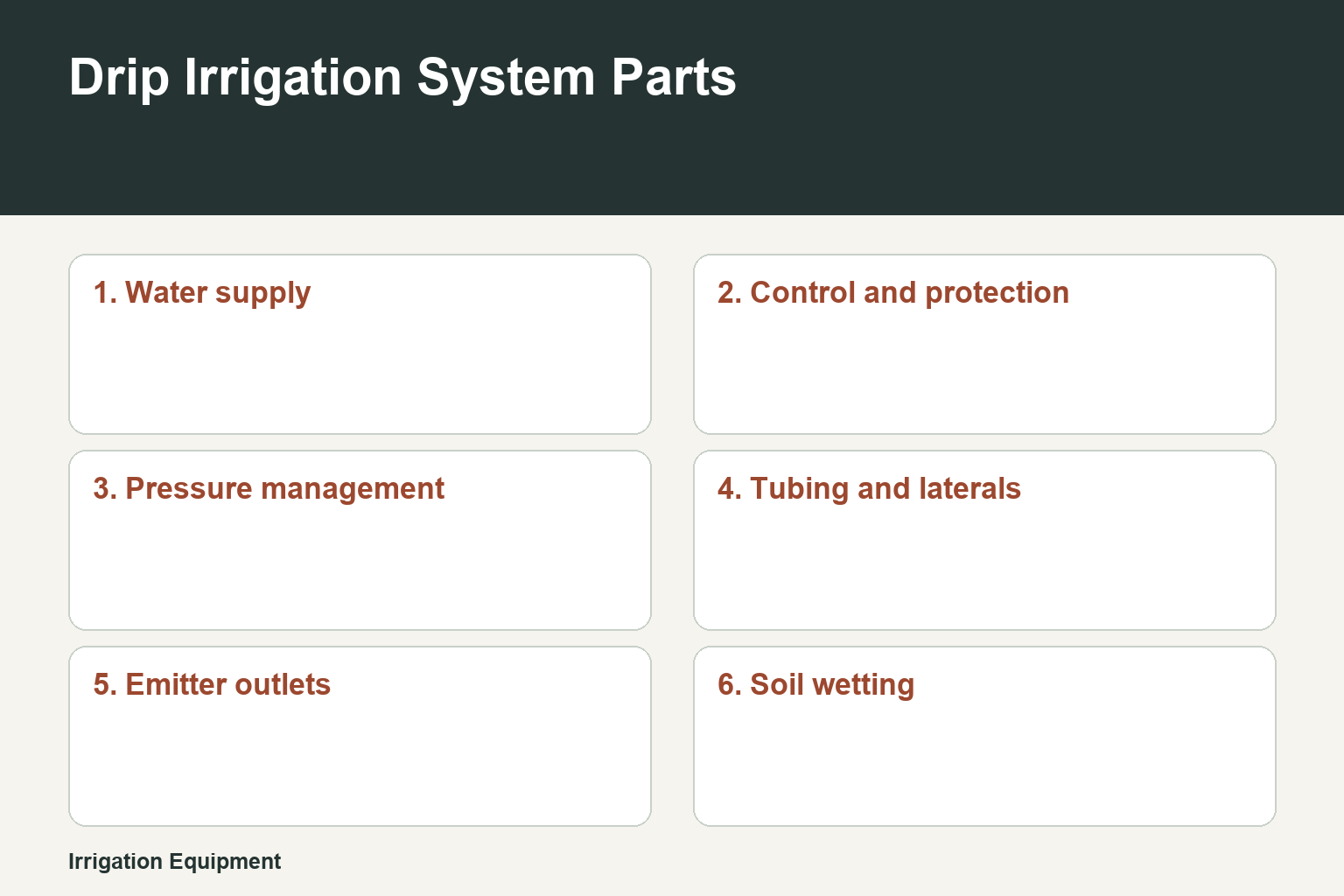
A clear guide to the supply, controls, filter, regulator, tubing, and emitters that make up a drip irrigation system.
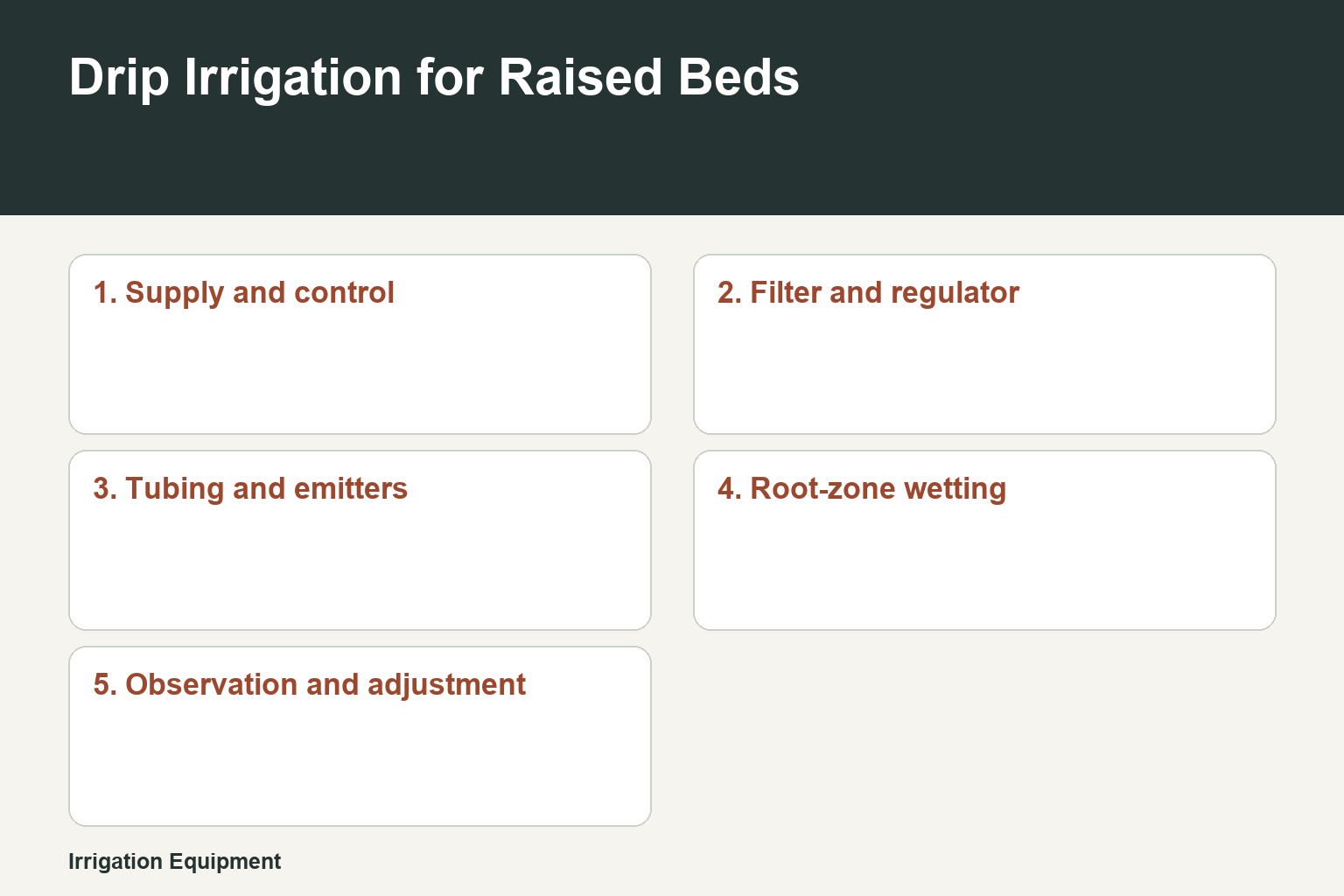
A practical explanation of how raised-bed drip irrigation works, which emitter layout fits your plants, and how to monitor root-zone moisture.
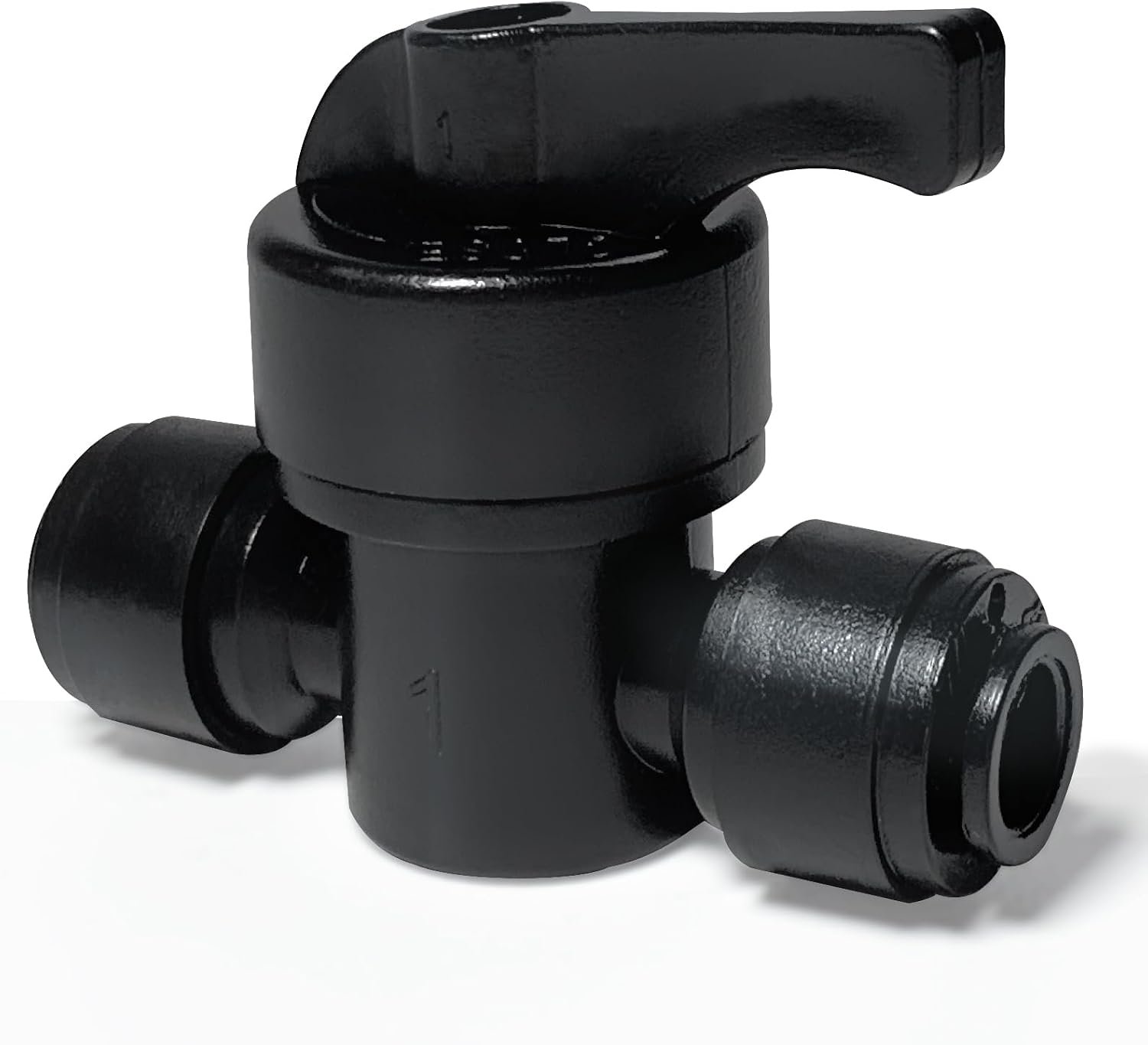
An irrigation valve has to match the pipe or tubing already in your system before any other feature matters. These seven options split into very different jobs: small 1/4-inch drip branches, electrically controlled sprinkler zones,
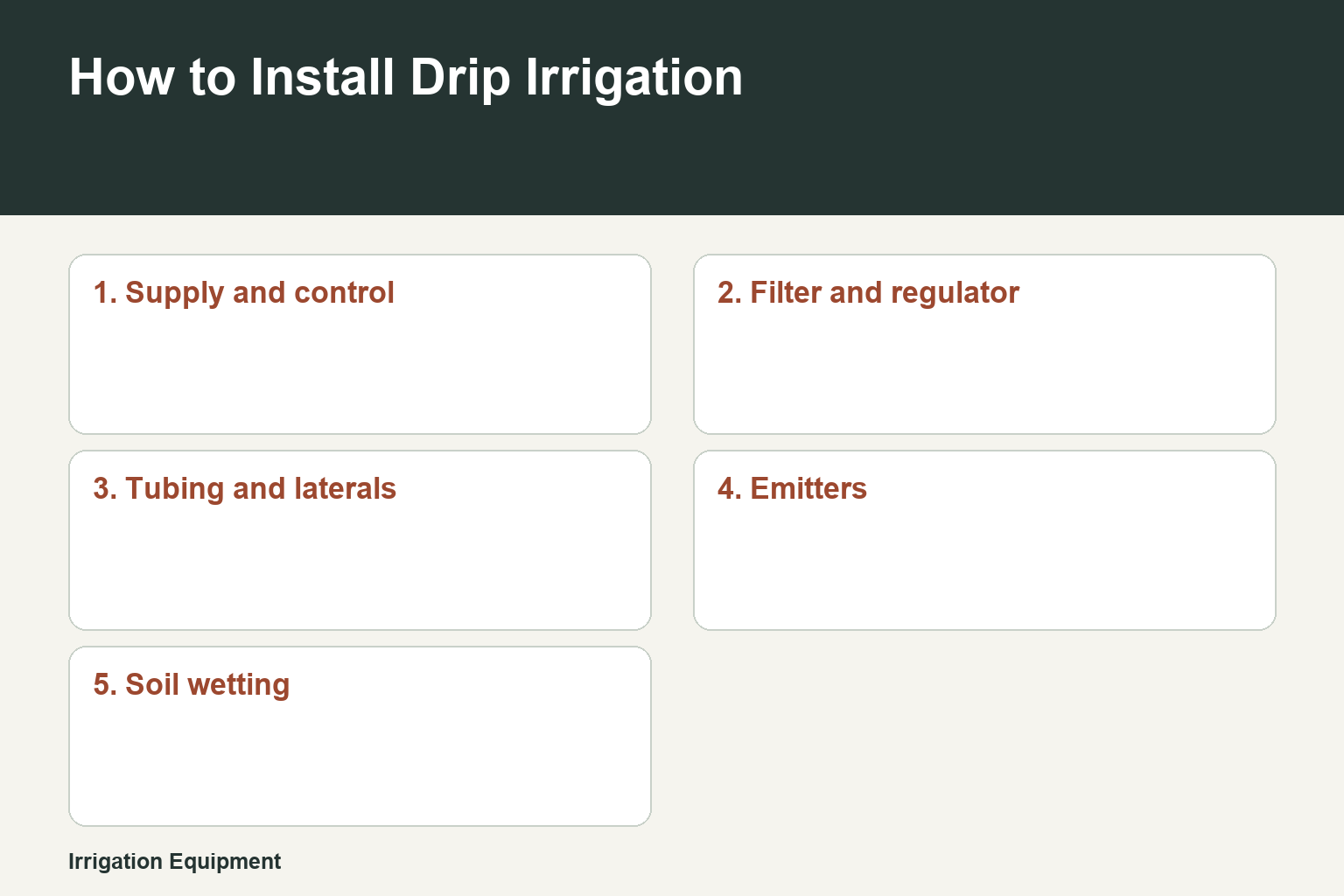
A practical guide to planning, assembling and checking a drip irrigation system for beds, rows, shrubs and containers.

An irrigation pump has to match both the water source and the way water will be delivered. These six choices range from a battery-powered drip system for potted plants to shallow-well and centrifugal pumps with substantially different
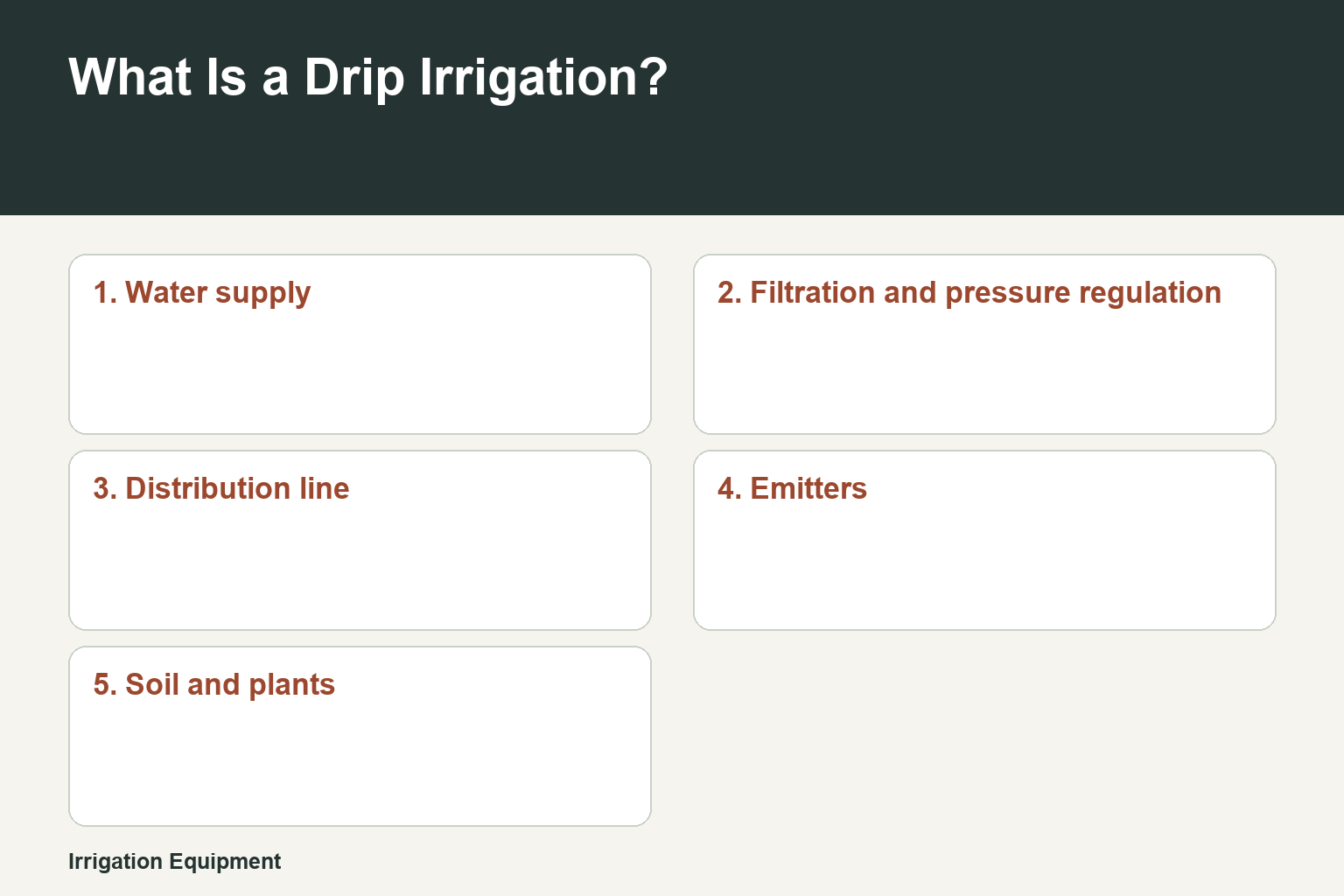
Drip irrigation applies water near plant roots through lines and emitters, with placement and scheduling tailored to soil and plant needs.

A sprinkler controller has to match the number of valves already in your system, where you plan to mount it, and how you want to make seasonal changes. The key split here is between dial-based timers that keep programming local and